Not long ago, the office was a given. A place you simply went to work. Today it is no longer that straightforward. Work has moved elsewhere as well, home, cafés, and even while travelling. And with that, the role of the office has changed too.
Companies are increasingly asking themselves a simple question. Why should people come to the office at all? And what should it offer to make it worth it? One thing is clear right away. It is not enough for it to just look nice.
When design is not enough
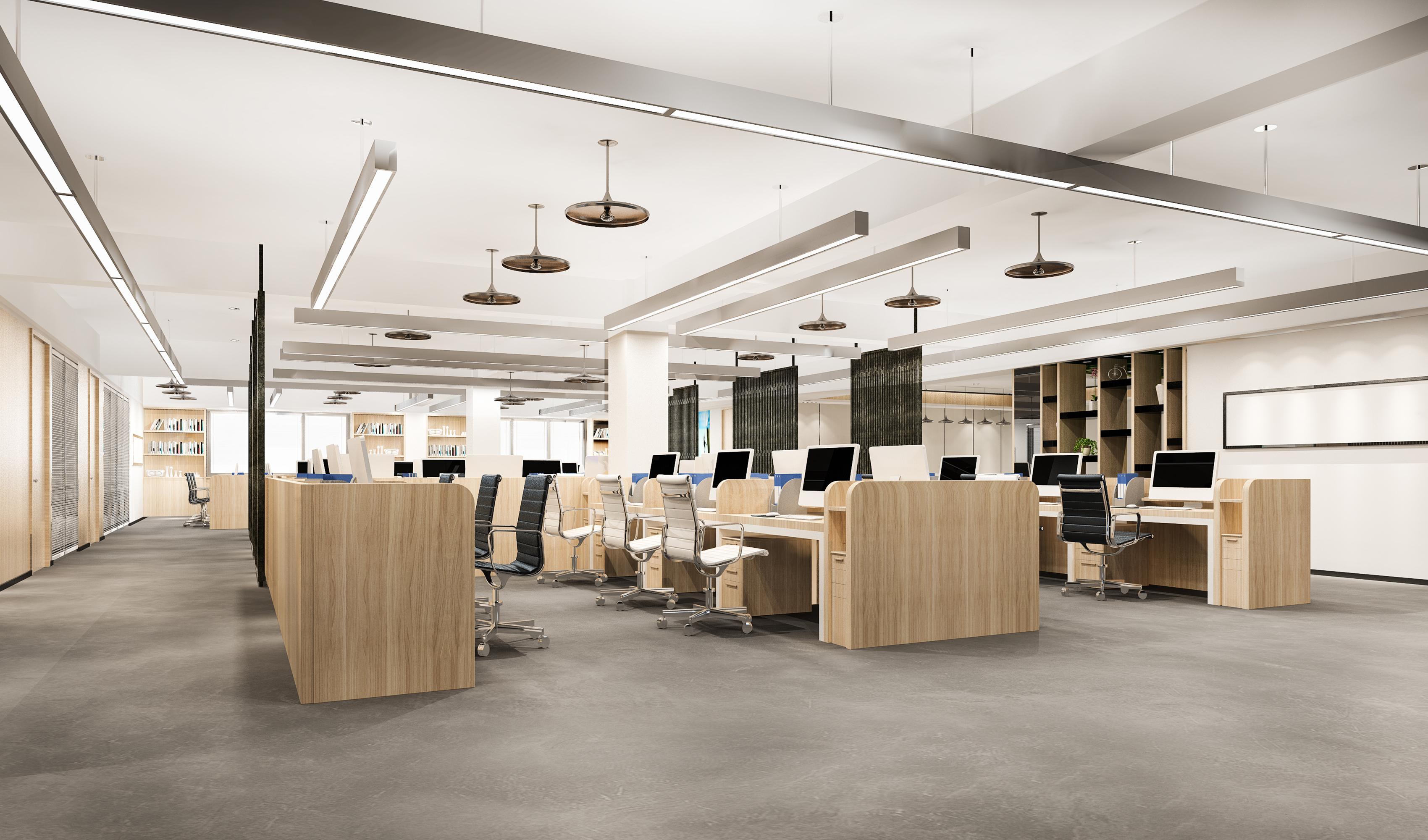
At first glance, an office can look great. Modern furniture, interesting colors, a wow effect. But that does not automatically mean people will want to spend time there.
A good workplace today is not created from visualizations. It comes from understanding how people actually work. What their workday looks like, what they need, where they meet, and where they run into limitations.
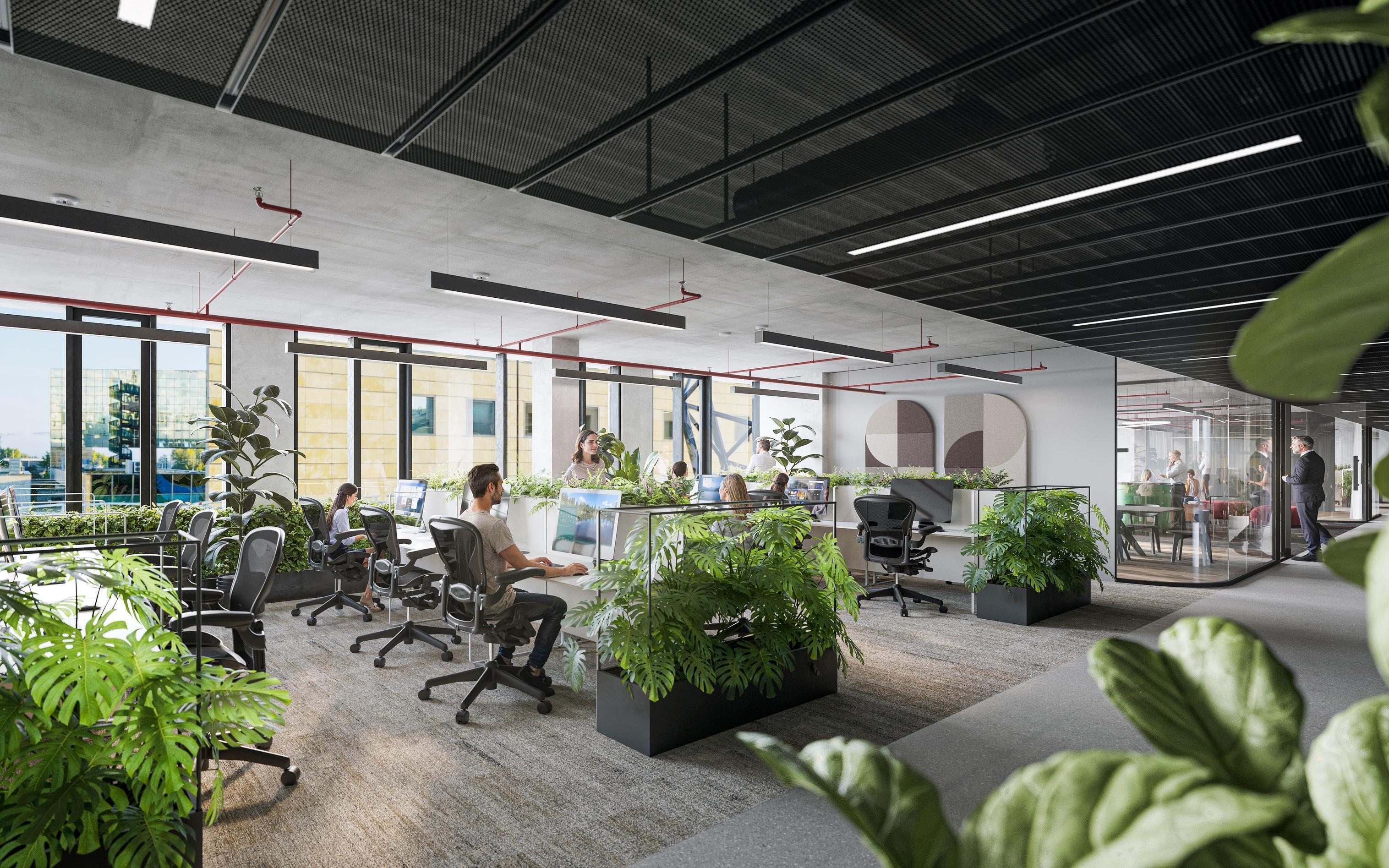
That is why an office should function as a tool. Supporting focus, enabling collaboration, and naturally responding to the fact that we switch between different types of tasks during the day. If this does not work, even the most beautiful space will stay empty.
The way we work has changed
“Our offices no longer match how we work today.” This is a sentence that often comes up in the first meeting. Why? A typical example is online meetings. In the past, most meetings happened in person, today a large part takes place over video calls. Yet offices are often not ready for this. There is a lack of quiet spaces with good acoustic conditions where people can join without being disturbed.
The role of the office itself is also changing. It is becoming a place for meeting, for teams, clients, and communities. Companies host workshops, informal internal events, or client gatherings. But spaces for these activities often do not exist, so everything is solved externally, even though a smart redesign inside the office would be enough.
Shared workspaces, a change we are still hesitant about
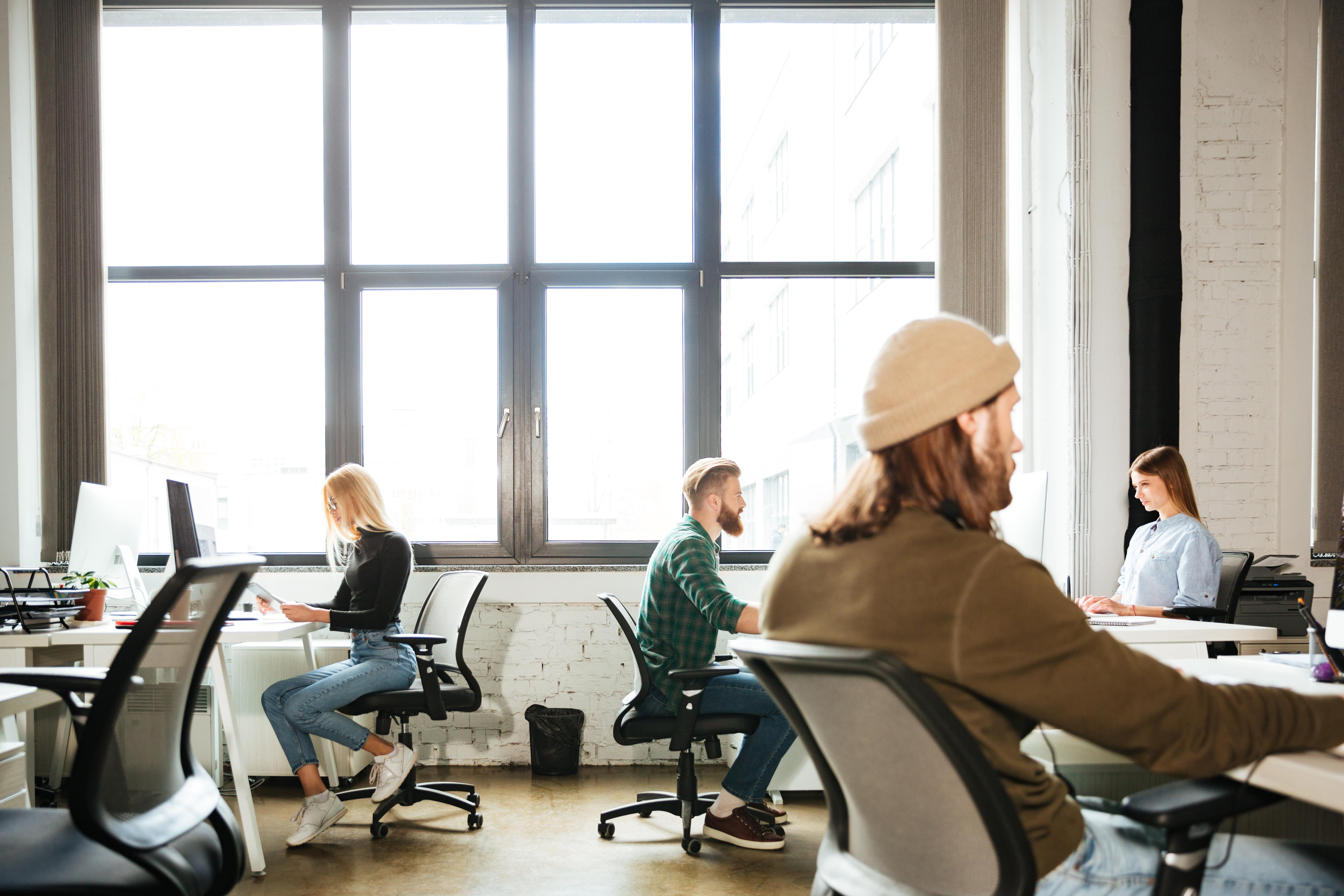
Along with changing work patterns comes the topic of desk sharing. For some it feels natural, for others it is still sensitive. In practice, most offices are far from fully utilized. Real occupancy often ranges between 50 and 70 percent. In other words, part of the desks stays empty every day.
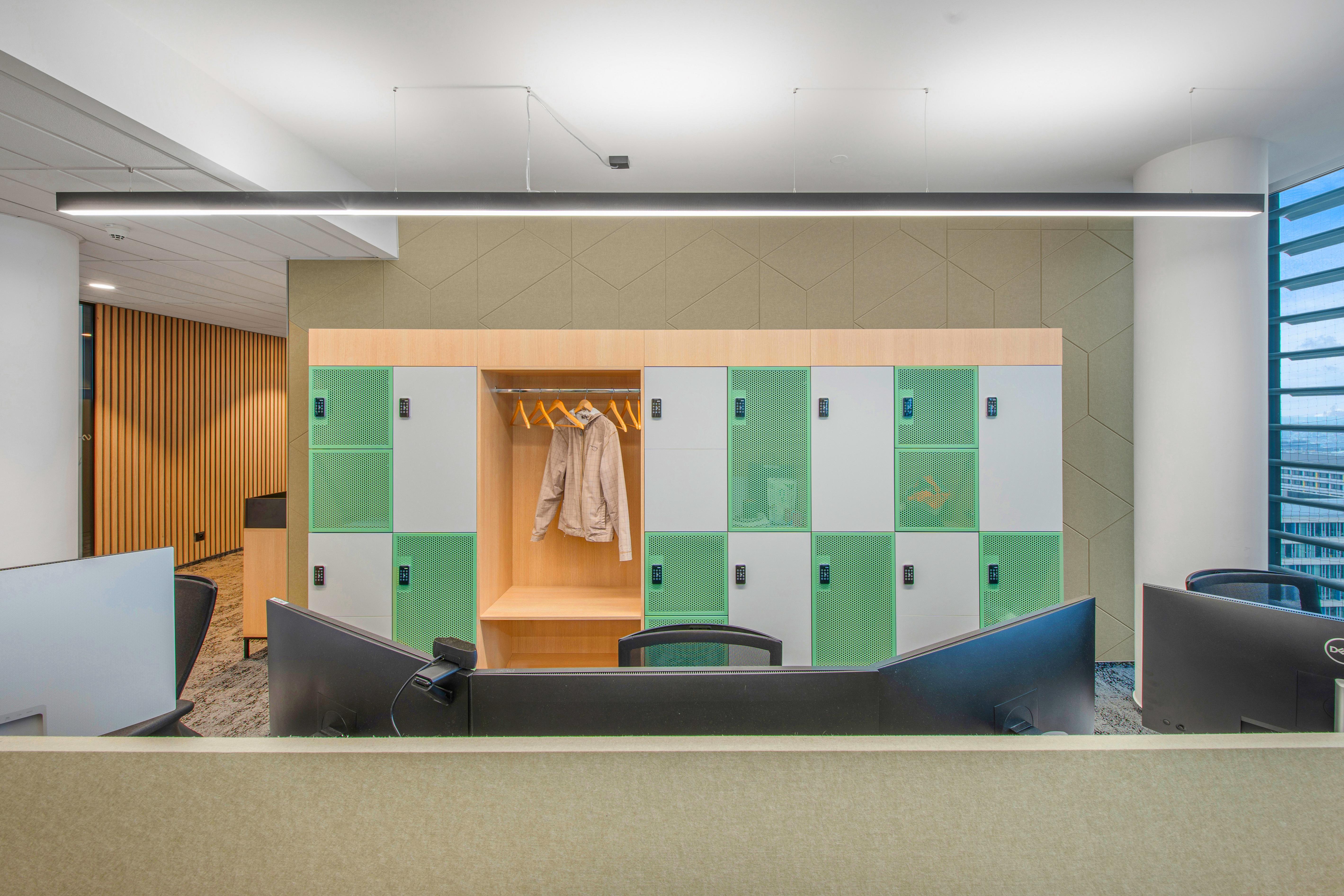
Still, we tend to hold on to the model where everyone has their own desk. It is understandable. A personal desk means certainty, routine, and a sense of control. But sharing does not have to mean limitation. If designed well, it can bring more flexibility and better use of space instead.
So why do people actually go to the office today?
Perhaps the most important shift is that the office is no longer just a place to get work done. That we can do from anywhere today.
We go to the office for something else. For the team. For meeting colleagues, exchanging ideas, solving things faster than over email or calls. For spontaneous conversations that cannot be planned. For the energy that a shared space creates.
The office is moving from a place of performance to a place of interaction. And its design should reflect that. A functional workplace can support teams, improve collaboration, and create an environment people want to come to. Not because they have to, but because it gives them something back.
Get in touch with us, we would be happy to discuss how your office can work better for the people who use it.